March 13, 2026
In the dynamic landscape of interior design, aligning aesthetics with functionality is paramount when selecting your dining environment. Within the competitive ecosystem of home furnishings, a cohesive pairing of dining chairs and tables can elevate both visual appeal and user experience. When you source pieces from a premier dining room furniture store, you position yourself to leverage curated assortments that drive consistency across form and function.
Dining areas serve as multifunctional hubs—spaces where culinary creativity, social engagement, and daily routines intersect. Therefore, embracing an intentional strategy for mixing and matching dining chairs and tables transcends mere decoration—it optimizes utility, enhances comfort, and reinforces your brand of hospitality. This guide outlines expert frameworks and operational insights to help you maximize impact in your dining space.
1. Aligning Design Language Between Chairs and Tables
At the core of exceptional dining room curation is design language alignment. When you walk into a dining room furniture store, you're met with an array of silhouettes, materials, and finishes. While variety is beneficial, it also raises the risk of incoherence if selections aren't grounded in a unifying aesthetic thread.
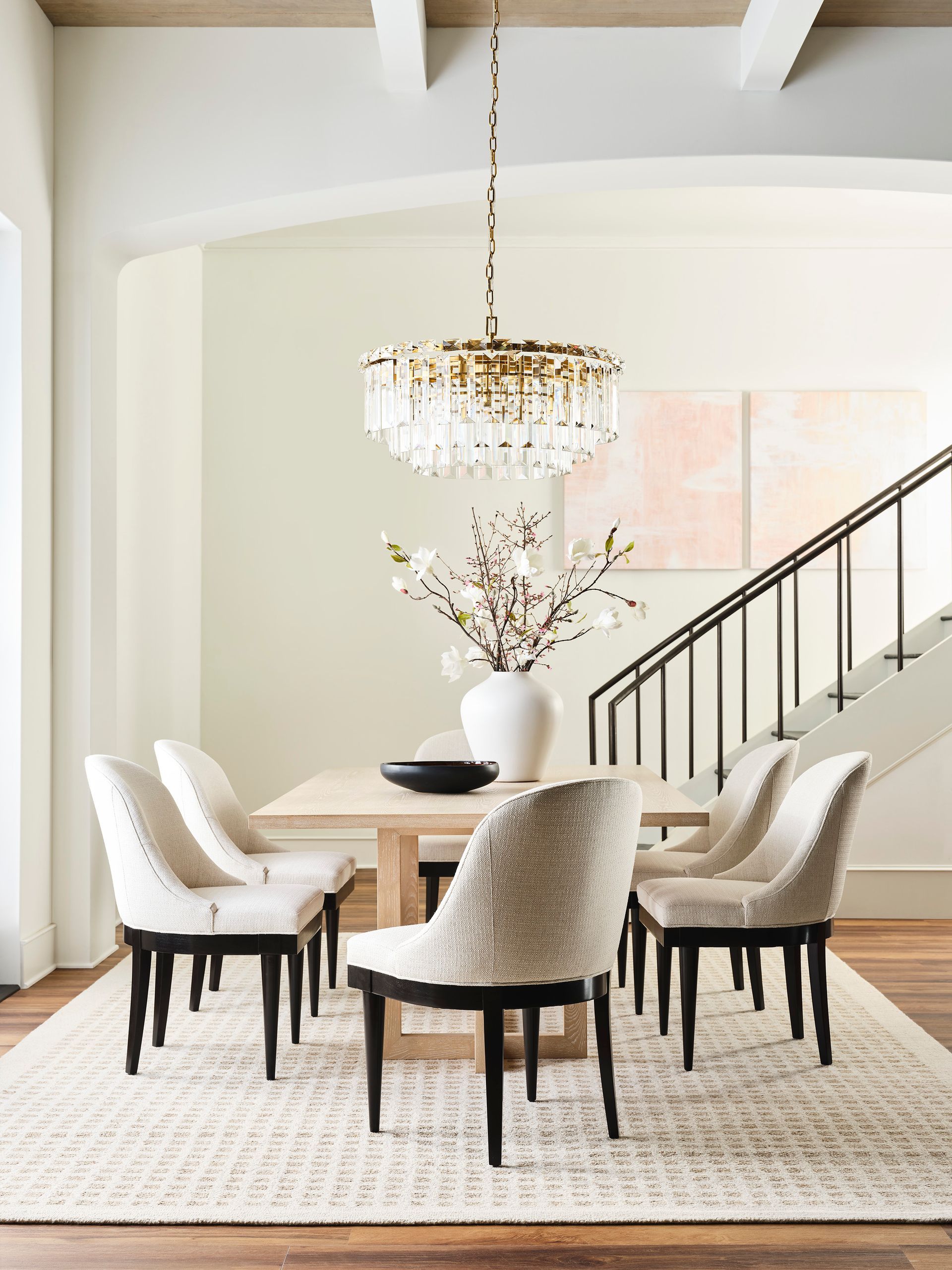
Start by identifying your table's dominant design cues—whether it's streamlined modern minimalism, transitional elegance, or classic farmhouse warmth. Chairs should echo these cues in complementary ways, anchoring the space with a seamless narrative. For instance, a sleek, lacquered table naturally pairs with chairs featuring similarly clean lines and materials. Conversely, a reclaimed wood table resonates best with chairs that reflect organic textures or artisanal craftsmanship.
This alignment creates what interior strategists call "visual synergy"—a state where disparate elements function as an orchestrated whole, enhancing both the perceived value and user satisfaction of your dining arrangement.
2. Prioritizing Comfort to Elevate Dining Experience
While aesthetic coherence is essential, comfort remains a non-negotiable metric for successful dining environments. Every stakeholder—from homeowners to hospitality professionals—acknowledges that ergonomics profoundly influences user engagement and dwell time.
A critical metric to keep in mind is spacing. According to This Old House, your dining table should be placed at least 36 inches away from the walls to allow chairs to be pulled out comfortably, and you should pick chairs that leave nine to 13 inches between the seat and the tabletop. This benchmark ensures that your environment supports ease of use and sustains social interaction without spatial friction.
When visiting a dining room furniture store, test chair ergonomics first-hand. Evaluate seat depth, backrest contour, and cushioning to ensure alignment with your expected use cases—whether that's everyday family meals or extended dinner parties. Comfort-driven selections function as strategic differentiators, setting your dining space apart in both residential and commercial contexts.
3. Integrating Proportions to Drive Spatial Balance
Proportional harmony is a cornerstone of spatial optimization. A misalignment in scale between chairs and table can disrupt the perceived equilibrium of a room, leading to a disjointed atmosphere that undermines usability.
When you're scanning offerings at a dining room furniture store, pay attention to height ratios and dimensional relationships. Chairs that are too tall may crowd the table's visual plane, while chairs that are too low can diminish ergonomic support. Standard practice is to aim for the nine to 13-inch clearance between the top of the seat and the tabletop, as highlighted in spatial planning benchmarks.
Equally important is the width and depth of chairs relative to the table's footprint. Ensure there's adequate room for chair placement without overcrowding the perimeter. Think of proportions as a performance metric for spatial flow—well-calibrated dimensions encourage seamless movement and reinforce a polished aesthetic rhythm.
4. Leveraging Material Cohesion to Enhance Durability
The conversation around materials should balance durability with design intent. Dining spaces are high-traffic zones subjected to frequent usage, spills, and transitions from daily dinners to formal occasions. A thoughtful material strategy enhances longevity while maintaining stylistic integrity.
When curating furniture at a dining room furniture store, reflect on how materials interact with one another and with your broader interior palette. Solid wood tables, for example, pair beautifully with upholstered chairs rendered in durable fabrics or leathers that can withstand wear and tear. Metal-framed chairs might complement industrial-chic tabletops, while woven or rattan seats bring textural depth to rustic wood surfaces.
Material cohesion extends beyond aesthetic alignment—it fortifies resilience. A cross-functional approach ensures that your investment stands up to real-world demands, reducing lifecycle costs and enhancing your space's adaptability over time.
5. Balancing Contrast to Cultivate Visual Interest
While cohesion is critical, contrast plays a strategic role in differentiating and energizing your dining environment. A thoughtfully crafted contrast introduces dynamism, preventing the space from appearing monotonous or templated.
For instance, a bold table finish might be juxtaposed with chairs in a subtle neutral tone, or vice versa. Contrasting materials—such as a robust wood table paired with sleek metal chairs—can create an intentional tension that drives visual intrigue. The key is to maintain balance: contrasts should complement rather than compete.
When exploring options at a dining room furniture store, layer contrasts within a controlled palette. This approach aligns with enterprise-level design principles that recommend a primary visual anchor supported by secondary accents to avoid perceptual dissonance.
6. Incorporating Flexible Seating to Support Evolving Needs
Today's dining spaces demand adaptability. From accommodating unexpected guests to transitioning between functions, flexibility is a strategic advantage. Integrating flexible seating solutions ensures your dining environment can scale with fluctuating requirements.
Consider incorporating bench seating alongside traditional chairs. Benches offer spatial efficiency and a convivial seating arrangement that encourages interaction. Alternatively, armless chairs provide modularity and can be easily repositioned or stored when not in use.
Within a dining room furniture store, prioritize pieces that offer mobility and multi-functionality without compromising design integrity. Flexibility doesn't have to mean sacrificing aesthetics; rather, it should enhance the user experience while reinforcing the room's stylistic coherence.
7. Curating Textural Layers to Enrich Sensory Engagement
Textural layers add depth and richness to your dining environment, reinforcing a sensory experience that goes beyond visual appeal. From chair upholstery to tabletop finishes, textural considerations contribute to the perceived sophistication of your space.
Upholstered chairs introduce softness and tactile warmth, making them ideal for formal or extended dining settings. In contrast, solid wood or molded chairs evoke durability and simplicity, aligning with minimalist or contemporary design paradigms. The interplay of textures—smooth lacquer, brushed metal, hand-carved wood—creates a tactile narrative that complements your overall design strategy.
When sourcing from a dining room furniture store, assess how textures coalesce within your broader interior scheme. Textural harmony can elevate perceived value, ensuring that your dining area feels both curated and inviting.
8. Selecting Color Palettes to Guide Atmosphere and Mood
Color strategy is a powerful lever for controlling ambiance. Whether you're aiming for a serene, neutral backdrop or a vibrant, expressive setting, your choices should align with the emotional experience you intend to cultivate.
Tables with natural wood tones often benefit from chairs in complementary hues that reinforce warmth and cohesion. Conversely, a high-contrast palette—such as a dark table with light-colored chairs—can inject energy and modernity. Keep in mind that color saturation, undertones, and finish sheen impact how elements interact under different lighting conditions.
At a dining room furniture store, tap into color expertise to ensure your selections reflect both trend awareness and timeless appeal. A strategically engineered palette not only supports visual harmony but also future-proofs your design against shifting preferences.
The strategic pairing of dining chairs and tables requires a thoughtful blend of design alignment, ergonomic consideration, material cohesion, and adaptive planning. By anchoring your approach in these principles and leveraging the resources of a leading
dining room furniture store, you can cultivate a dining environment that excels in both form and function. If you're looking for new furniture, contact or visit Roaring Fork Furniture today.