November 21, 2026
Interior design is often envisioned as an exercise in paint swatches, mood boards, and architectural drawings. While those components create the framework for a concept, the actual realization of a comfortable, cohesive environment relies heavily on tangible furnishings. A room without well-proportioned seating, dining surfaces, or storage remains merely an empty enclosure. Physical showrooms and retail environments bridge the divide between theoretical concepts and functional realities, giving homeowners the tangible perspective required to make informed selections. Exploring why furniture stores are so important for home design reveals that curating an authentic home environment involves sensory engagement, structural planning, and dedicated decorative guidance.
Experiencing Physical Proportions and Spatial Balance
Evaluating True Scale in Physical Environments
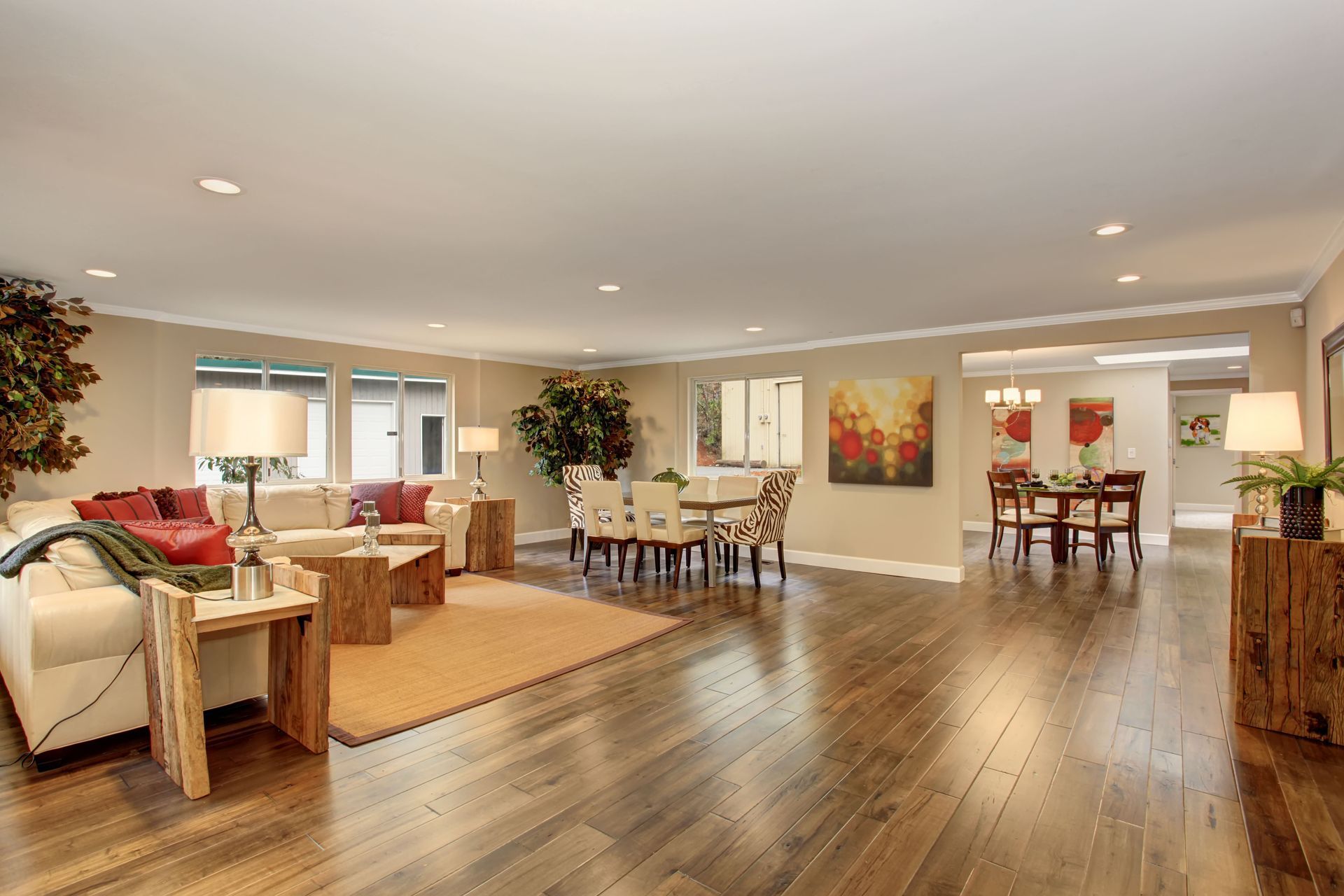
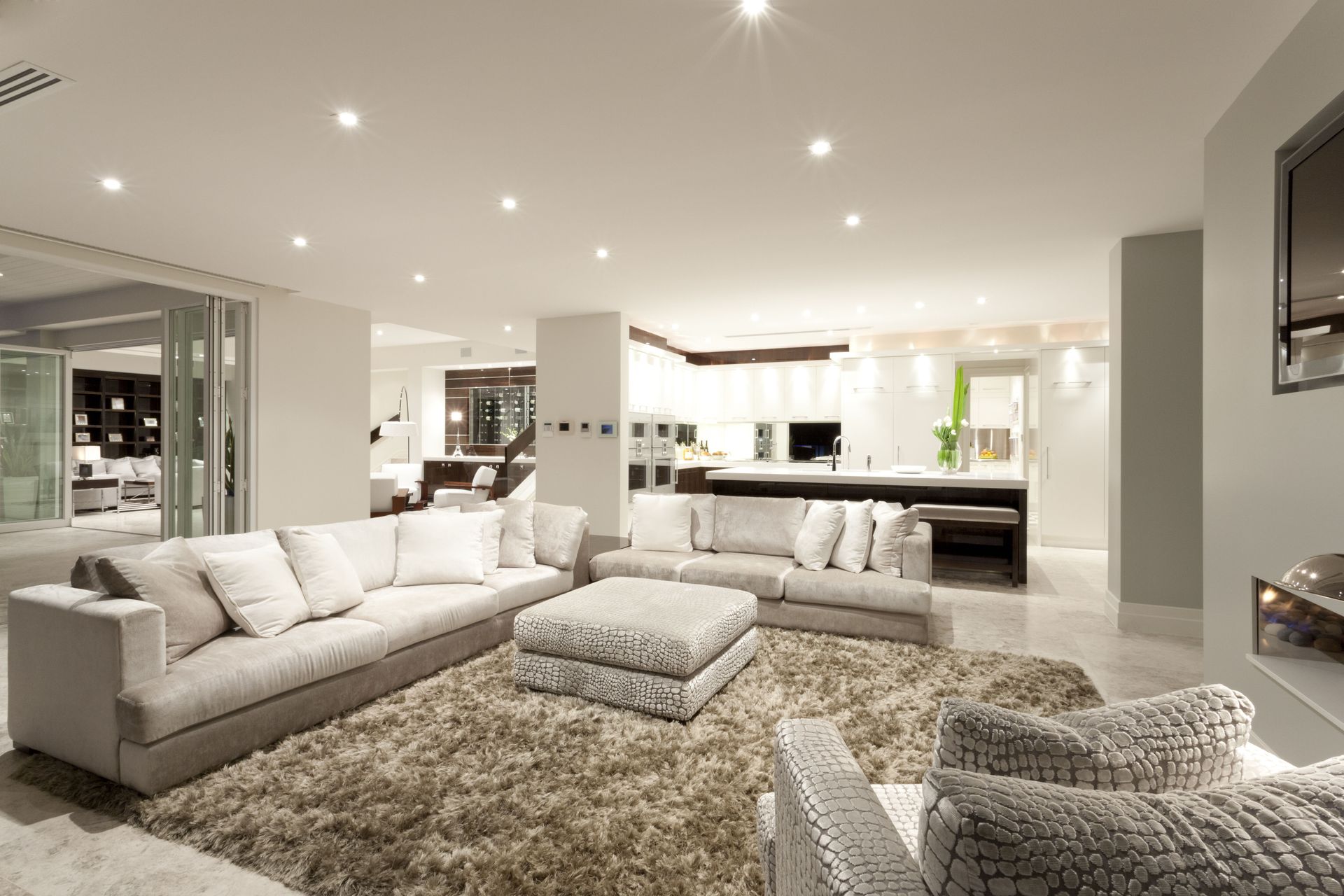
One of the most persistent hurdles in residential decorating is gauging scale. Two-dimensional digital photographs and flat dimension charts rarely communicate how an armchair, dining set, or sectional actually occupies a room. A sofa might look sleek online, yet upon placement, it can easily dwarf surrounding items or look awkwardly minute in a high-ceilinged great room. By stepping into dedicated retail displays, individuals can accurately observe how volume, clearance, and height interact within three dimensions. Viewing curated vignettes allows decorators and homeowners to understand clearances, traffic corridors, and physical silhouettes, minimizing the risk of spatial miscalculations before items arrive at the doorstep.
Harmonizing Layered Room Foundations
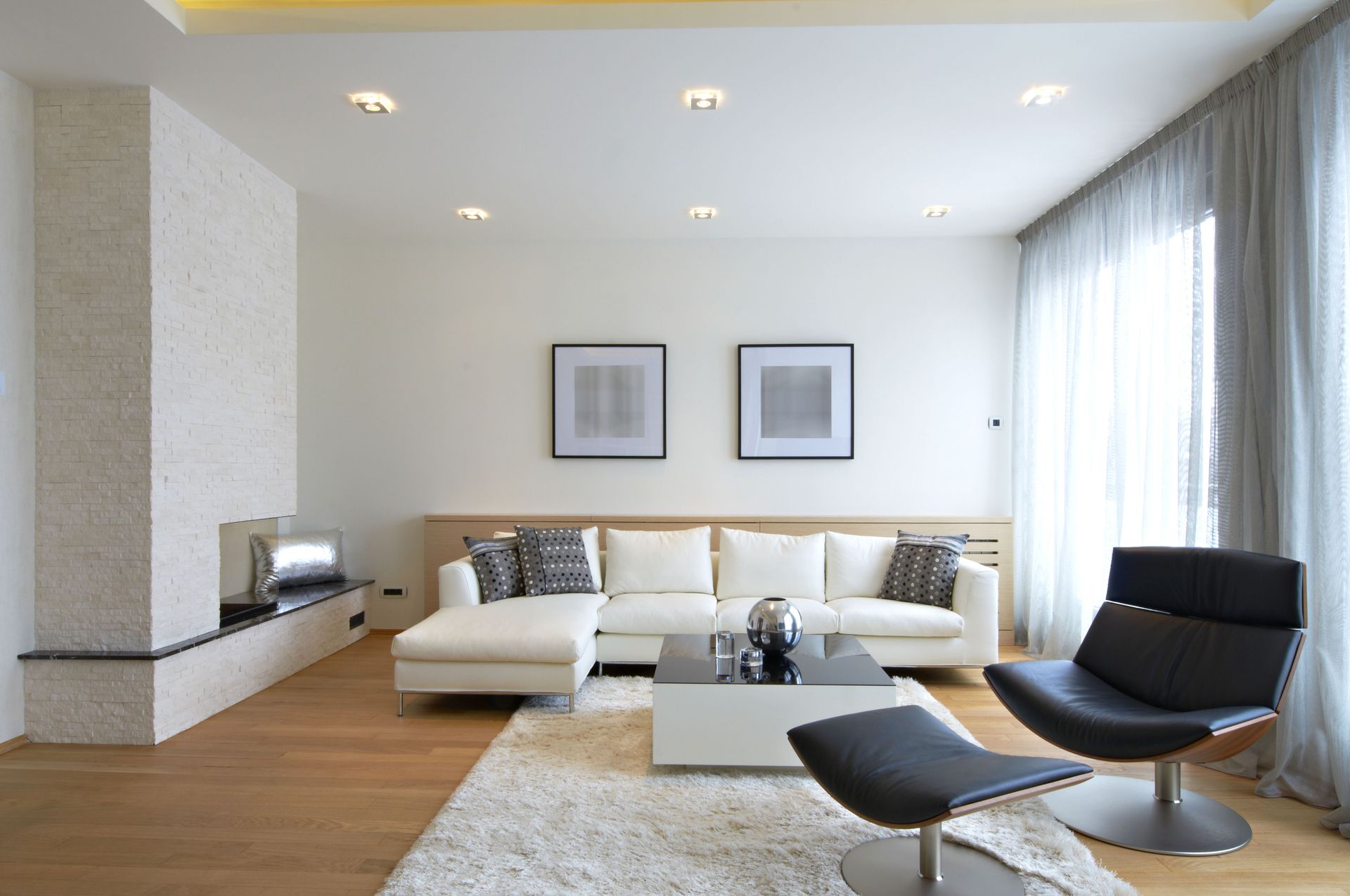
Spatial harmony extends beyond standalone furniture to the foundational layers beneath it. Room composition depends heavily on how area carpets anchor primary seating groups and establish visual perimeters. Proper proportions prevent rooms from feeling cramped or disjointed. According to This Old House, when placing a broad area rug across a sizable family room, leaving an open margin of approximately 12 to 18 inches of bare floor around the perimeter is recommended, an approach frequently advised by floor covering specialists who map out customized carpet dimensions. This deliberate breathing room maintains balance, framing the surrounding woodwork while unifying the gathering area. Seeing how varied room foundations frame substantial seating in physical showrooms provides direct visual proof of these spatial proportions in action.
Touching Textures and Testing Tangible Quality
Assessing Material Composition and Construction
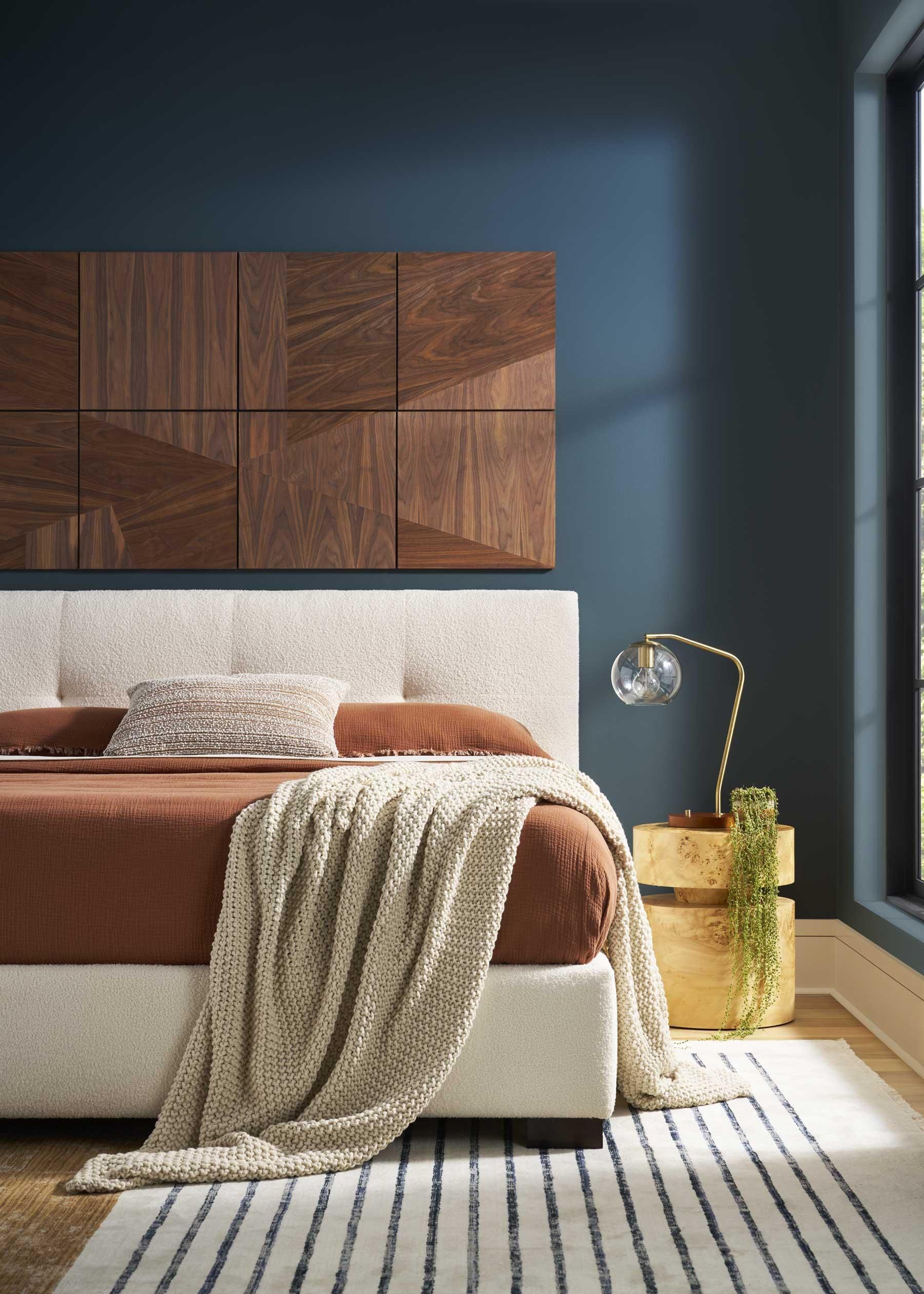
A vital reason physical showrooms remain irreplaceable in home design is tactile evaluation. Digital screens cannot replicate the hand-feel of top-grain leather, the tactile texture of a linen-blend weave, or the density of solid kiln-dried hardwood. Visiting local furniture stores offers homeowners the chance to touch varied surfaces, inspect joinery details, and examine how textiles drape across cushioned frames. Subtle nuances in upholstery weave, wood grain, and metallic sheen directly dictate how comfortable and visually appealing a home will feel over daily routines. Experiencing materials firsthand ensures that every selected surface aligns with personal preferences for texture, resilience, and sensory comfort.
Verifying Ergonomic Support and Daily Comfort
Aesthetic appeal is only half of the interior design equation; functional comfort provides the rest. A dining chair or sectional may align flawlessly with a mid-century modern or rustic aesthetic, yet provide inadequate lumbar posture or an uncomfortable seat depth. Because bodies vary in height and preference, testing cushions, reclining mechanisms, and seat heights in real time is paramount. Dedicated showrooms allow guests to sit, recline, and test practical support across numerous styles, ensuring that every piece fulfills daily physical needs alongside decorative ambitions.
Discovering Cohesive Style and Professional Guidance
Observing Curated Showroom Vignettes
Interior decorating requires establishing a cohesive narrative throughout distinct spaces. Many people struggle to picture how a modern credenza pairs with a conventional sofa or how divergent timber tones balance within an open-concept living area. Showrooms solve this visual challenge by assembling comprehensive lifestyle arrangements. Rather than presenting disconnected inventory in rows, reputable furniture stores build coordinated environments complete with sideboards, lighting accents, coffee tables, and occasional seating. These thoughtfully staged vignettes showcase how divergent textures, finishes, and design movements harmonize seamlessly, providing organic inspiration for residential projects.
Collaborating with Skilled Design Specialists
Navigating thousands of fabric choices, wood finishes, and configuration possibilities can quickly become overwhelming. Professional showrooms employ knowledgeable design associates who hold degrees in interior planning. These specialists serve as valuable resources, assisting clients through room mapping, color pairing, and functional layout strategies. Many businesses provide complimentary design services, including in-home consultations, to ensure each piece fits the specific architecture of a residence. This direct collaboration turns generic furnishing decisions into customized spaces tailored to an individual lifestyle.
Personalizing Environments Through Custom Options
Selecting Customized Fabric and Frame Combinations
Homes should reflect the distinctive personalities and habits of their occupants, meaning standardized catalog offerings do not suit every interior. Through specialized furniture stores, homeowners gain access to broad customization options that online platforms struggle to coordinate effectively. Shoppers can explore extensive sample rings featuring high-durability fabrics, rich velvets, tailored performance materials, and nuanced wood stains. Whether a homeowner desires a sectional configured to specific sectional dimensions or dining chairs wrapped in stain-resistant fabrics, custom programs transform standard templates into unique statements.
Ordering Tailored Storage and Entertainment Pieces
Every home features unique architectural parameters, from sloped ceilings and awkward alcoves to designated entertainment zones. Standardized dimensions often leave valuable square footage underutilized. Special ordering options available through established furniture stores enable homeowners to acquire media consoles, sideboards, buffets, and bedroom dressers built to exact dimension requirements. Having access to specialized ordering channels ensures that storage solutions match the home's scale without creating visual clutter or impeding daily movement.
Ensuring Seamless Integration Through Professional Handling
Utilizing White-Glove Delivery and Installation
The decorative journey does not conclude once pieces are purchased; proper transport and careful room placement are crucial to preserving home interiors. Quality home goods are substantial in weight, complex in assembly, and vulnerable to transit damage if handled carelessly. Professional white-glove delivery and installation services provided by established showrooms eliminate the stress of handling heavy items. Trained personnel manage the loading, transport, indoor navigation, and precise setup within the designated room, ensuring that heavy frames, glass inserts, and modular sectionals sit securely without scratching hardwood floors or scuffing finished walls.
Protecting Structural Integrity and Floor Finishes
When skilled delivery personnel handle installation, they bring specialized equipment and logistical experience that safeguard both the new furnishings and the residence. They level dining tables on uneven mountain flagstone, secure heavy headboards to frames, and attach surface glides that protect fine hardwood floors. This attentive care ensures that every element of the room looks crisp and functions as designed from the very first hour.
Cultivating Lasting Connections for Ongoing Projects
Maintaining Consistent Design Continuity Over Time
Designing a living environment is rarely a single, rapid transaction. Most homeowners approach their spaces in stages, perhaps completing a primary living room first, addressing the dining area the following season, and gradually updating bedrooms over several years. Returning to familiar
furniture stores allows individuals to maintain a continuous decorative thread across multiple phases. Staff members can reference previous orders, wood stains, and textile choices, ensuring that new additions blend naturally with earlier acquisitions.
Supporting Local Communities and Mountain Living
Establishing a rapport with local furnishings specialists provides distinctive regional advantages. Independent, community-rooted retail operations understand local lifestyles, climate-driven fabric needs, and regional architecture—such as the balance between rustic mountain elements and modern elegance. Furthermore, patronizing regional showrooms strengthens the local economic fabric, fostering sustained relationships with neighborhood business owners who actively care about the long-term beauty and functionality of surrounding homes.
The Value of In-Person Showrooms in Home Design
Balancing beauty, scale, and functional comfort remains the central goal of any rewarding decorating endeavor. While magazines and digital boards spark creative interest, only tangible retail environments provide the real-world scale, material confirmation, and personalized attention necessary to execute a vision properly. From confirming floor clearance margins to enjoying the expertise of trained interior associates, physical shopping environments remain indispensable for residential planning. To experience an expansive collection of living room, dining, and bedroom designs firsthand, stop by Roaring Fork Furniture in Glenwood Springs to consult with experienced interior specialists and begin elevating your home today.